新藥專題|脂肪肝新藥問世,掀起脂肪肝新藍海商機
作者:智璞產業趨勢研究所大健康中心主任 申忠哲
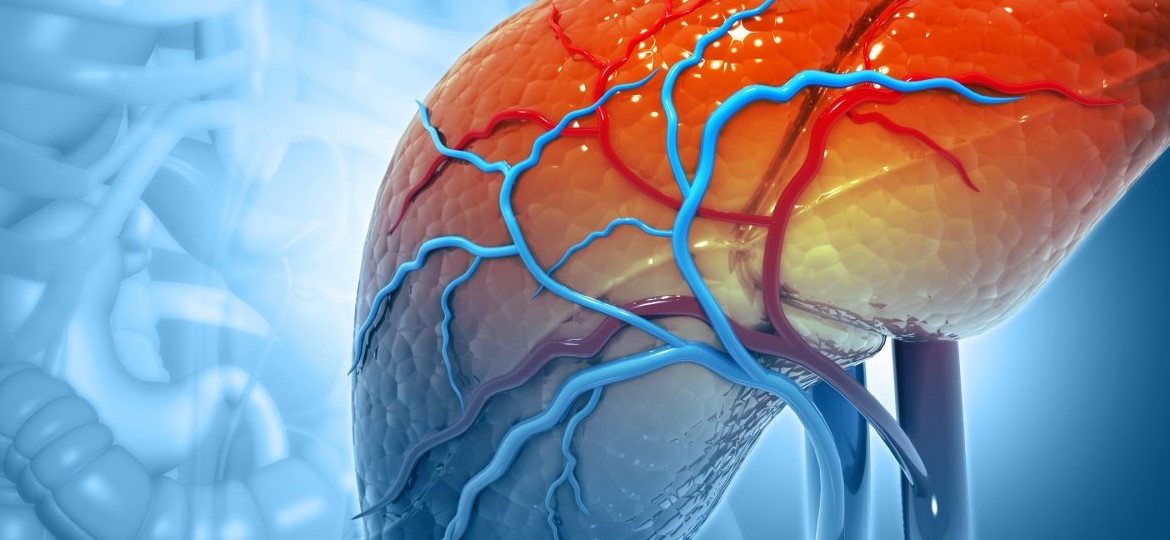
Excessive accumulation of fat in the liver metabolic-associated fatty liver disease (MAFLD), is a common liver function abnormality, and obesity, diabetes mellitus, metabolic syndrome and cardiovascular disease are closely related to the negligence of fatty liver, may cause inflammation of the liver, liver fibrosis (scarring), cirrhosis, and severe It may lead to liver cancer or liver failure. As we all know the liver is a silent organ, there is no neural distribution, if the alarm signal, the situation has been serious, according to IQVIA (2023) reported that fatty liver patients continue to increase, estimated to affect the global population of about 25%, threatened to become a new threat to the health of the developed countries, and even more so, it is the focus of the metabolic health of the human body!
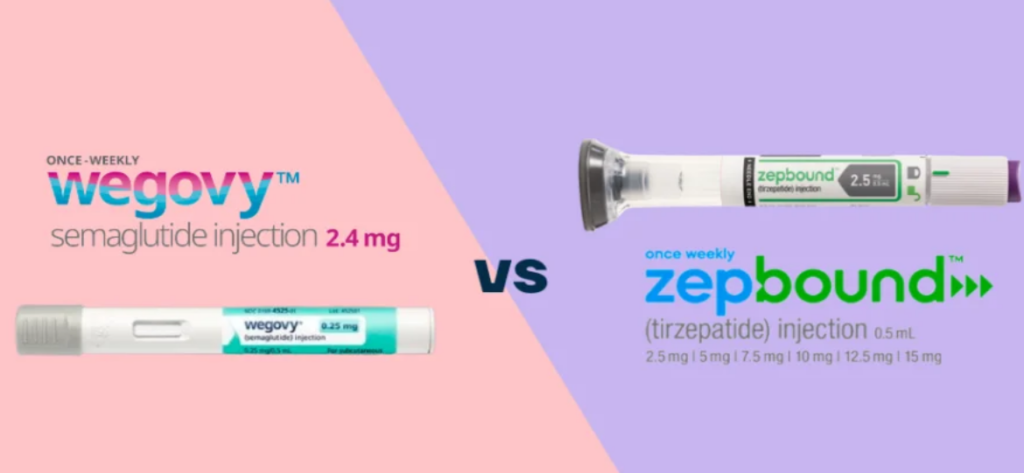
Over the past 40 years, patients with fatty liver had no cure, and could only be indirectly improved by diet and exercise, or related metabolic drugs such as hypoglycemic, antihypertensive, hypolipidemic, or hepatoprotective drugs, etc. Though this therapeutic area has attracted the investment of countless international pharmaceutical companies such as Novartis, Pfizer, or Gilead in the development of new drugs, due to the complexity of the disease-causing mechanism, all of them have failed miserably until the U.S. FDA approves a high standard of multifactorial, multi-metabolic pathways, multi-targets, multiple intercellular actions, and clinical endpoints on March 14, 2024, which is why all of them are failing miserably. However, due to the complexity of the disease-causing mechanism, which involves multi-factors, multi-metabolic pathways, multi-targets, multiple inter-cellular interactions, and high clinical endpoint standards, all of them failed miserably until March 14, 2024, when the U.S. FDA approved the world's first new drug for fatty liver to be listed on the market (trade name: RezdiffraTM, ingredient: Resmetirom, developer: Madrigal Pharmaceutical), which is a new drug for fatty liver and is currently under development. Pharmaceutical) for the treatment of steatohepatitis with moderate to advanced hepatic fibrosis, igniting hope in the long-dormant metabolic fatty liver disease drug cemetery, there are currently many potential new drug development competitors, with high-profile candidates in the pipeline, including those with RezdiffraTMViking Therapeutics' VK2809 has the same pharmacological mechanism, while another group of competitive dark horses belong to GLP-1 drugs (currently not approved for the treatment of fatty liver disease), such as Novo Nordisk's Semaglutide, Eli Lilly's Tirzepatide or MSD's Efinopegdutide, etc. Based on slowing down or stopping the development of liver fibrosis, this treatment field is regarded as a promising area to cure most chronic liver diseases. MSD's Efinopegdutide, etc., have the prospect of curing most chronic liver diseases based on delaying or preventing the occurrence of liver fibrosis, and thus this therapeutic area is regarded as a fast-emerging hot area for new drug development after new drugs for weight loss.
Big Breakthroughs in New Drugs and Quantitative Diagnostics for Fatty Liver Disease Create $10 Billion Opportunity in the Future
According to a report by Imarcgroup, the global metabolic fatty liver disease drug market will reach approximately US$1.6 billion in 2023, and is expected to grow 7.18 times to US$11.5 billion in 2032, with a compound annual growth rate of 24.18%. From the perspective of market demand, the metabolic fatty liver disease market has long lacked effective diagnostic and therapeutic solutions, and although ultrasound abdomen has been regarded as the best economical and practical tool for widespread diagnosis of fatty liver disease, there are still problems that rely on doctors' subjective experience to determine the severity stage, which is not easy to quantify (mainly qualitative analysis), and the flexibility of early detection. Although abdominal ultrasound has been regarded as the best economical and practical tool for the extensive diagnosis of fatty liver disease, there are still challenges such as relying on the subjective experience of doctors, the severity stage is not easy to be quantified (mainly qualitative analysis), and the sensitivity of early detection is relatively poor, etc. The gold standard is still liver puncture biopsy (also known as liver biopsy, liver biopsy). At present, the diagnosis of fatty liver disease is also a hot area of development, with the pathology of liver steatosis, medical imaging or blood biomarkers, etc. as the main axis of development, in which the identification of liver steatosis and tracking and monitoring are particularly important, and most of the new drug development companies work together with developers of emerging diagnostic technologies to jointly establish companion diagnostic programs for specific drug therapy, so as to assist physicians to carry out accurate diagnosis and treatment for patients with fatty liver disease in the conventional medical treatment, and to expand the market. The market is expanding.
There are three main reasons to observe the rapid growth of the new drug market for metabolic fatty liver disease, which are: 1) unhealthy dietary habits, obesity or diabetes, leading to the rise in patients with fatty liver disease year by year, and the market demand continues to grow rapidly; 2) unmet medical needs without a drug, there is only one new drug on the market in the world, and it is expected to capture most of the market under the condition of acceptable therapeutic efficacy, and it also allows latecomers to accelerate the battle to divide the market; 3) with the combination of companion diagnosis of fatty liver and new drugs for fatty liver disease, early diagnosis and continuous monitoring of disease progress are crucial for the early detection of fatty liver disease. The new drug is expected to capture the majority of the market, while also allowing latecomers to accelerate the ignition of the battle to divide the market; Third, with the concomitant diagnosis of steatohepatitis and new drugs for steatohepatitis in combination with diagnosis and treatment, early diagnosis and continuous monitoring of the disease progression are crucial to the realization of optimal treatment, such as Echosense's FibroScan, which is the only global leader in the detection of liver fibrosis, and is the only one in the world.®Liver fiber scanning technology, using ultrasound vibration-controlled transient elastography (VCTE, vibration-controlled transient elastography), controlled attenuation parameter (CAP, Controlled Attenuation Parameter) scores to measure liver stiffness and fat content. The accuracy of the CAP is nearly 90% better than that of liver biopsy, or HealthFLD by Nanox AI from Israel.® AI algorithms for abdominal computed tomography (CT) medical imaging can help clinicians to quantitatively screen for liver steatosis, assess early fatty liver, or as a tool for tracking and evaluating the efficacy of therapeutic medications through conventional CT images, accelerating the penetration of AI-based medical tests and therapeutic drugs. It is believed that, driven by the demand for new drug treatments, the development of a highly efficient, accurate, quantitative, and low-cost companion diagnostic testing tool for fatty liver is also expected to meet high growth opportunities.
Taiwanese companies seize new business opportunities in fatty liver, focusing on metabolic and multi-targeted therapies.
New drug RezdiffraTMThe introduction of this drug will bring new changes to the market of metabolic fatty liver disease, which is a bright light to show the way, and is expected to drive the scientific research community to gradually clarify the pharmacological mechanism of metabolic dysfunction, so as to further design better drugs, as well as the proportion of the drug's high dose group in the liver histopathological remission of about 29.9%, the efficacy of the drug is still room for improvement, so in the premise of metabolic dysfunction pharmacological mechanism is not clear, it does not rule out the possibility of new emerging treatments, RNAi, new action target drugs, multi-target therapy, or combination therapy, may have better efficacy to turn the corner and create opportunities for future success. Therefore, under the premise that the pharmacological mechanism of metabolic dysfunction is still unclear, we cannot rule out the possibility that emerging therapies, such as RNAi, new target drugs, multi-targeted therapies, or combination therapies, may lead to better efficacy, and create an opportunity for victory in the future. Taiwan companies that are involved in the development of new drugs for fatty liver disease, such as Polaris Pharmaceuticals, which specializes in metabolic therapy, or Xinyao Biomedical, which is a multi-targeted new drug for steatohepatitis (SNP-6 series), are also expected to create breakthroughs and seize the blue ocean business opportunities in fatty liver disease.
-For more information, please contact us at