Industry Trend Report|New Drugs: Exosome Development Opportunities
Exosomes (Exosomes(The new favorite of the pharmaceutical industry)
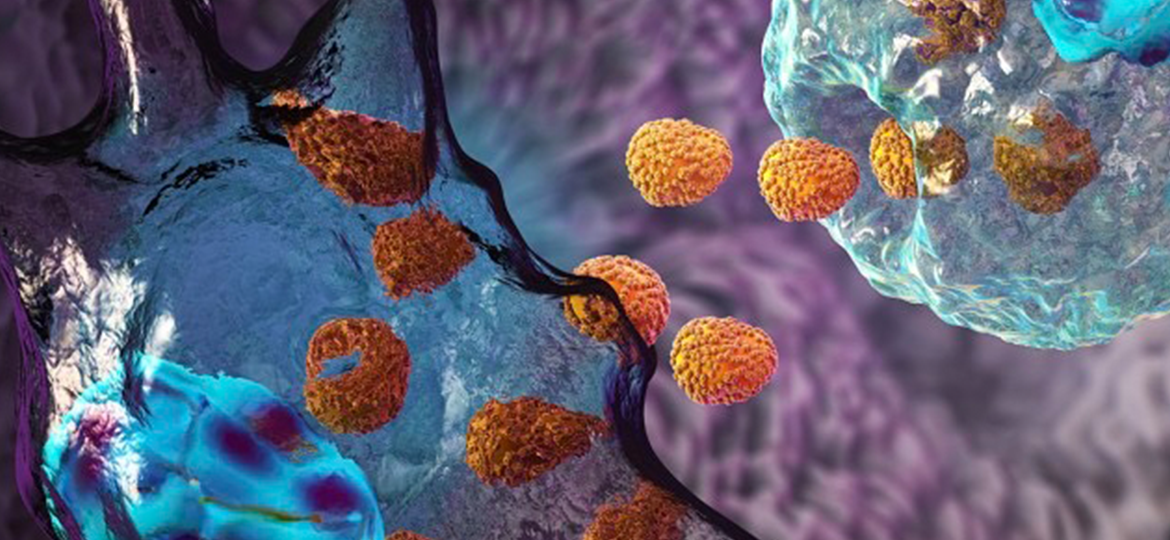
Extracellular vesicles are double-layered lipid-membrane vesicles about 30-150 nanometers in size that carry growth factors and signaling factors such as biomolecules such as proteins, nucleic acids (DNA or RNA), sugars, and lipids with genetic messages, and penetrate into tissues, the bloodstream, and even cross the blood-brain barrier to remote cells. These vesicles are responsible for transmitting signals and instructions between cells, and have the function of triggering the regulation of subsequent cells. Previously little was known about these vesicles, but the awarding of the 2013 Nobel Prize in Biomedical Sciences to professors James E. Rothman, Randy W. Schekman, and Thomas C. Sudhof for their exceptional contributions to exosomes has initiated a vast amount of research around the globe, revealing that exosomes play a role in immune regulation, anti-inflammation, cellular proliferation, tissue repair, inhibition of apoptosis and tissue repair, as well as in the development of the cellular system, Inhibition of apoptosis and tissue fibrosis. It has even overturned the traditional stereotype that "nerves cannot be regenerated" and has become a new focus of the pharmaceutical industry.
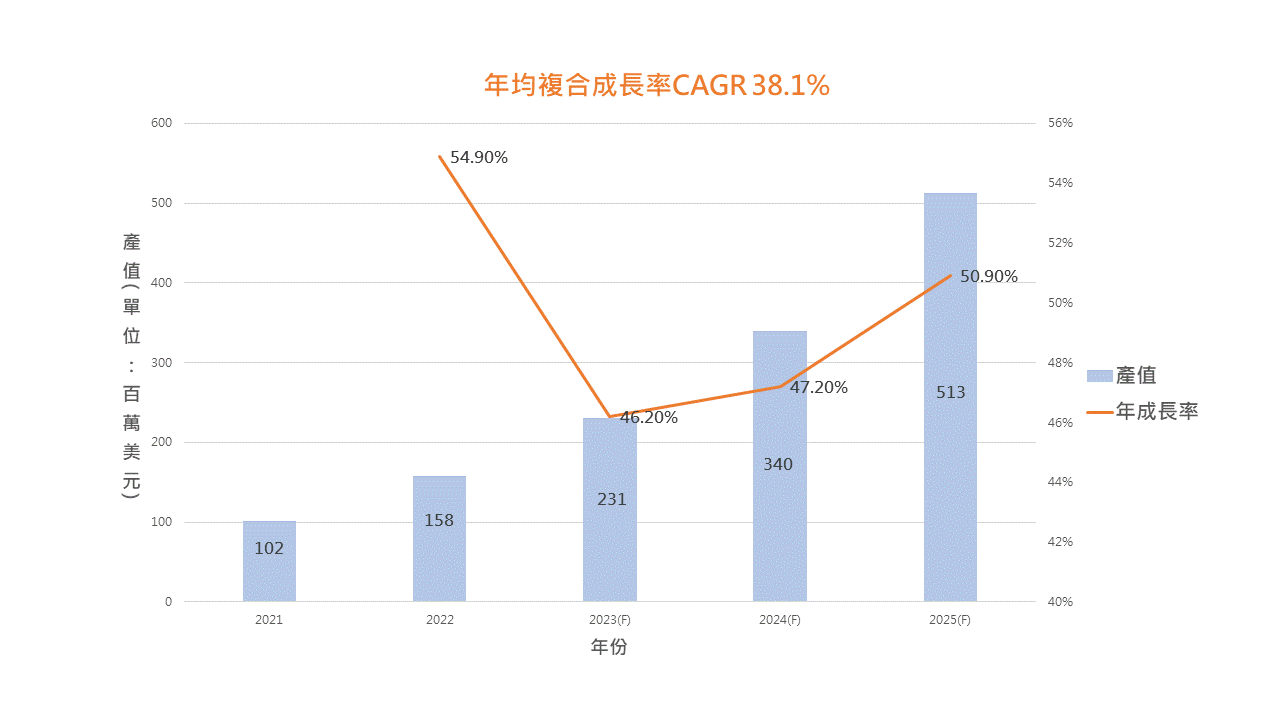
Exosome medical use is estimated to have a market value of 5 years.5.13USD billion, compounded annual growth rate38%
Due to the aging of the global population, the demand for treatment of chronic, oncological and degenerative diseases continues to grow and remains unmet, resulting in the continued development of the emerging biopharmaceutical market. Benefiting from the Regenerative Medicine Advanced Therapy (RMAT) policy announced by the U.S. FDA, the accelerated trend of regenerative medicine and precision medicine is obvious. In the post-covid-19 era, the cell therapy and molecular diagnostic industries are optimistic about the development potential of exosomes, and the industry is investing in the development of exosomes. In the post-covid-19 era, the cell therapy and molecular diagnostic industries are optimistic about the development potential of exosomes, and the amount of investment in exosome-related companies will reach US$136.4 million in a single year in 2021, which is twice as much as that in 2020. The cumulative amount of international pharmaceutical companies' drug development collaborations has also exceeded US$5 billion. Currently, there are about 55 companies worldwide engaged in exosome research and development. It is estimated that the output value will reach US$513 million in 2026, with a compound annual growth rate of 38%, which is in a high growth period.
Figure 1: Global Exosomal Pharmaceuticals Market Production Value Estimates 2021-2026
外泌體用於腫瘤液態活檢首個檢測商品已上市
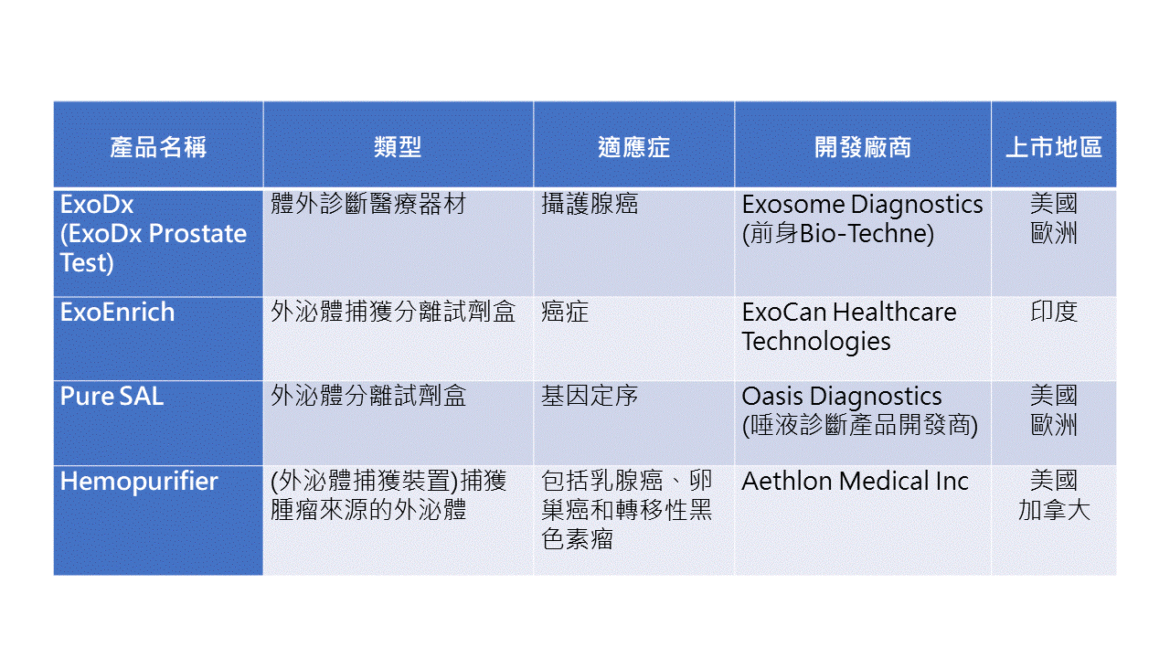
大多數細胞都會分泌外泌體,普遍存在於多種生物體液中,包括血液(血清、血漿)、尿液、精液、腦脊液、唾液、眼淚和母乳等體液中,腫瘤細胞亦不例外。使用液態活檢(liquid biopsy)檢測腫瘤分泌的外泌體,除了檢體來源多元,病人接受度高的優勢以外,外泌體可檢測的標靶更多、靈敏度更高,能掌握除了單一種癌細胞之外其他免疫細胞或癌細胞的微環境,早期診斷腫瘤,掌握腫瘤發展並擬定給藥治療方針。目前液態活檢主流商品除了檢測循環腫瘤DNA(circulating tumor DNA, ctDNA)和循環腫瘤細胞(CTC)以外,另一個備受期待的是生物標記(biomarker)切入點。如表一,自2019年後,全球首個FDA核准的外泌體檢測商品ExoDx(ExoDx Prostate Test)上市,可使用尿液檢測攝護腺癌,陸續也帶動許多外泌體相關檢測的商品上市。
表一、外泌體相關上市檢測商品
外泌體提高ctDNA突變和RNA檢測敏感性
近年來對於外泌體內攜帶生物分子的研究不斷升溫,外泌體相關ct DNA就具有代表多種腫瘤DNA的特性,因此外泌體另一項潛在的臨床用途為衍生DNA腫瘤生物標誌物的應用,包括基因組重排(Genome Rearrangement)、基因突變和基因拷貝數變異(Copy number variation, CNV),許多研究表示外泌體RNA結合ctDNA樣本相較單獨利用ctDNA樣本,能達到檢測出10倍以上的突變拷貝數,除了提高血液檢測突變的機率外,對於在腫瘤早期階段當ctDNA拷貝數非常低時,更能提高檢測敏感性。從正常細胞訊息分子中將腫瘤“干擾” 訊息分子分離出來是腫瘤液態活檢的挑戰之一,外泌體RNA對早期癌症檢測中的應用價值,如從血漿中直接分離RNA,進行RNA檢測時,血小板來源的RNA就會帶來大量巨核細胞(Megakaryocyte)RNA的背景干擾,亦可藉由外泌體獨特的表面蛋白進行富集特點,就可以通過腫瘤特異性和腫瘤富集的表面蛋白,進行外泌體亞類的區分,來提高分辨率。在ClinicalTrails.gov數據顯示(截至2022/11/25)約有145個臨床試驗與外泌體有關,大多數臨床試驗都是用於檢測用外泌體,約有7-10件臨床試驗是將外泌體作為新藥和治療方法。
治療用途藥物載體應用看俏
為了將藥物有效成份精準且完整地投送到目標靶點,合適的藥物包裹搭載技術一直是國際藥廠研發的重點,如美國Codiak Biosciences開發的engEx ™平台就是將核酸藥物置入外泌體中,以外泌體作為載體進行癌症治療。天然外泌體奈米級的雙層脂質構造與細胞膜相同,與其他細胞相容性高,相較於目前核酸藥物多使用腺病毒(AAV)及脂質奈米顆粒(LNP)作為藥物載體,幾乎沒有免疫原性及毒性,甚至可以穿過血腦屏障,透過基因工程修飾結構標靶,非常適合攜帶小分子藥物、核酸、蛋白質等有效成分到目標位置,且可製成凍晶製劑長期保存,免除手術植入改採注射,臨床取得性可大幅提升,加上外泌體不含任何細胞,不易有排斥現象及癌變增生問題,較為安全,因而成為藥物載體的潛在新星,目前各大藥廠均已開始佈局癌症及罕見疾病、腦部疾病的應用,動輒十億美元等級的合作項目陸續展開。目前已知的疾病包括:腫瘤、阿茲海默氏症、牛皮癬、異位性皮膚炎、青光眼、乾眼症、腦與與脊隨損傷、中風、肌肉萎縮、心肌梗塞、疫苗,尤以退化性疾病及罕病進展較快。
醫美抗老用途商化速度明顯
研究顯示外泌體具有促進纖維細胞再生的能力,能促進不同類型膠原蛋白新生,且可搭載不同生長因子,生髮、傷口癒合等抗老醫美商機龐大。相較於醫療用途,由於保養品不需要臨床試驗,目前市面已有多項外泌體保養商品搶市。
-For more information, please clickContact Us -
 Seminar|2023 Focus on the Spindle A New Wave of Business Opportunities in the Health Industry (Next)
 Industry Trend Report|See how exosome makers are planning their development by deploying new highlights ahead of time