June_Regenerative Medicine|Regenerative medicine outlook is promising, regenerative medicine law helps Taiwan factories to upgrade
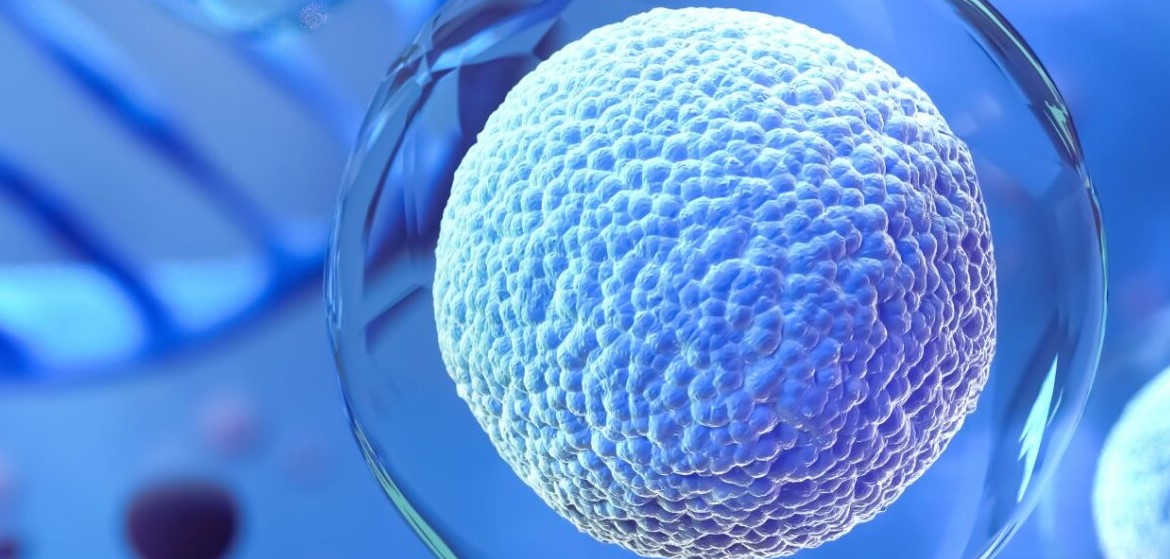
The era of regenerative medicine is approaching. Regenerative medicine is one of the practical solutions that human beings have pinned on the ideal of completely curing diseases. It is a solution that utilizes genes, cells, and their derivatives to treat, repair, or replace cells, tissues, and organs of the human body, such as using genes, cells, and their derivatives to produce cell-based drugs, or utilizing cells to produce organs of body tissues for the purpose of curing diseases, and is moving towards clinical applications from the dual tracks of medical technology and new drug development. Cells are the cornerstone of the human body. Cells are the cornerstone of the human body, and both genes, cells, and their derivatives are cell-based technologies. Biotech-medical experts have made a global start through regenerative medicine technology innovation and development, and their technological innovations include cell therapy, cell gene therapy (CGT), gene therapy, and tissue engineering therapy (Tissue Engineering Therapy). Tissue engineering therapy, as well as Novel medical devices such as organ-on-a-chip or artificial organs that extend from gene, cell and tissue to organ engineering. Cellular therapy is the process of transforming cells into drugs (cellular agents) for the treatment and repair of human diseases. Through the use of new, healthy cells from the human body, homozygous, or heterozygous (non-human) cells that are cultured ex vivo and then imported back into the human body, cellular therapy can be used to replace diseased or damaged cells, or to stop and reverse diseases, such as in the case of a cancer patient, whereby a specific immune cell is extracted from the patient's body, separated, cultured, expanded in number, and then reused to treat a disease or to prevent a disease. For example, in the case of cancer patients, specific immune cells are extracted and isolated from their bodies, cultured externally, expanded in number and strengthened in function, and then injected back into the patient's body with cellular preparations to treat the cancerous cells. Alternatively, cells can be used as a tool for medical treatment, and artificial body tissues or organs can be made from cells to regenerate, repair, reorganize, and replace damaged cells, tissues, or organs to migrate, and then completely cure the patient's defects in tissues or organs. In view of this, regenerative medicine is an advanced medical science, and products using cells as the core of medical treatment are characterized by high technological threshold, high innovation potential, high clinical effectiveness, and customization of products, and have become an emerging field of innovative treatments in which biotechnology and pharmaceutical companies are competing to set up their business.
全球再生醫療前景看俏,國際加速細胞療法佈局 根據Markets and Markets (2024)數據,2023年全球再生醫療的市場規模約160億美元,預估2028年可成長3.06倍,達到490億美元,年複合成長率為25.1%。全球再生醫療發展領域中,以功能性細胞為治療核心,可簡單區分為幹細胞療法和免疫細胞療法、組織細胞修復療法三大領域,是將細胞作為活體藥物來對抗疾病,其核心技術在於細胞來源、細胞種類選用、細胞製劑製程、細胞儲存,以及最終治療療程(細胞施用醫療技術),也因為每種細胞在細胞因子分泌、細胞生長因子和免疫活性等功能的獨特性,所以每一種細胞治療的產品都可視為一項專屬獨特的醫療產品。目前各國對於核准細胞治療產品類別不同,以美國FDA為例,核准超過 37種細胞和基因產品(包含以造血幹細胞製成的藥物),截止目前全球已核准上市的細胞治療產品至少有74件。 綜觀國際大藥廠,近年都在積極佈局再生醫療相關領域,其中細胞暨基因療法興起將有可能改變各大藥廠未來在生技製藥的競爭格局,如Gilead(Kite) 、Novartis(Legendbiotech)、BMS(Juno)和Janssen成功開發CAR-T細胞療法; GSK、Astellas、Roche(Adaptimmune),或Takeda(Zelluna),若AstraZeneca (Neogene)佈局TCR-T細胞療法; MSD、Gilead、BMS、Sanofi與AbbVie佈局NK細胞療法,或BMS (Century)、Bayer(BlueRock)發展iPS細胞技術平台和基因工程技術,以及AstraZeneca積極佈局微型器官晶片和人造器官的幹細胞療法修復領域等。整體而言,歐美大藥廠仍以主流適應症市場領域為開發標竿,以癌症和罕見疾病治療有關之細胞暨基因療法較受親賴,而免疫細胞療法攻克癌症和實體瘤是市場最具期待性的產品,對於中小型生技製藥公司則以利基適應症市場和技術平台較具切入的發展機會。 再生醫療法奠定台灣法源基石,助攻台廠生技醫藥產業鏈持續升級進化 再生醫療發展全球開跑,對於全球生技製藥企業而言,無疑是藍海產業發展賽道,因為箇中的技術創新和治療應用仍有待嚴謹的醫療驗證突破,尚未形成獨占鰲頭的龍頭藥企,且破壞式創新技術的引領下有望開啟生物醫藥新時代,因此,在百花齊放的再生醫療治療領域中,選題和技術驗證仍是關鍵,特定技術平台或細胞治療方案所累積治療個案數的增長率,以及臨床療效治癒效果數據文獻,將是技術突破重要觀察點。目前台灣再生醫療產業發展佈局面向,包含長聖、向榮、訊聯等多家廠商著重在(1)細胞新藥開發,以聚焦在免疫細胞治療癌症,如創新的γδ-T細胞治療臨床研究,或免疫細胞治療肺癌、食道癌、胃癌等新適應症,或幹細胞治療急性心肌梗塞、急性缺血性腦中風、新型冠狀病毒感染症等臨床急重症疾病,以及間質幹細胞產品治療退化性關節炎、膝關節軟骨缺損、脊髓損傷等細胞治療; 如樂迦再生、台寶生醫等多家廠商則著重在(2)細胞製劑CDMO (Contract Development and Manufacturing Organization,委託開發暨製造服務),除透過各類細胞技術平台,持續擴充高階細胞治療CDMO量能外,更導入創新AI/ML運算輔助模型,在產品安全性及有效性的前提下,加速研發速度、優化製程並降低開發成本; 而艾萬霖、永立榮、博惠等多家廠商則側重在(3)外泌體(細胞及其衍生物)新藥和創新醫美原料研發,或細胞周邊冷凍保存等業務,並逐步取得國際認可成績。 台灣受惠於國內法規制定和開放,2024年6月4日台灣已成為亞洲除日本、韓國外,第3個制定再生醫療專法的國家,再生醫療雙法(備註:《再生醫療法》與《再生醫療製劑條例》)落地,除維護病人接受先進治療權益,確保合格醫療機構執行再生醫療的安全及品質外,讓台灣在再生醫療研究發展、細胞製劑技術管理和細胞源頭管理等具備法源依據,可確保主管機關監管有據,有助於業者在細胞製劑技術驗證、臨床療效數據的經驗累積,並提升製劑技術創新和細胞製劑品質的國際競爭力,更可加速再生醫療研發及促進產業發展,接軌國際間再生醫療發展資源,共創多贏局面,其中癌症再生醫療,打破不再只限於「標準治療無效」與「實體癌末期」的病患,所有癌友皆可採用衛福部核准的癌症再生醫療,如何在安全性、療效、治療費用和產業發展間取得平衡,正向發展讓台灣再生醫療產業創新技術落地應用,搶占先機立足國際,或耗費醫療資源鎩羽而歸,未得重大突破醫療成果,仍將有待時間考驗各方智慧。隨著清晰明確的法規和制度依循下,將讓台廠業者搶先實際接軌醫療院所或醫美市場的需求驗證,在更符合國際化規範下,提升產業發展競爭力。 -For more information, please contact us at
 May_New Drugs|GLP-1 weight-loss drugs: second wave of gold rush
 June_Pharmaceuticals|U.S. Biosafety Act: CDMOs are grabbing the business opportunities