March_Automotive MCU|Automotive MCU Market and Technology Development(Up)
vehicularMCUDiscussion of market size and automotive specifications
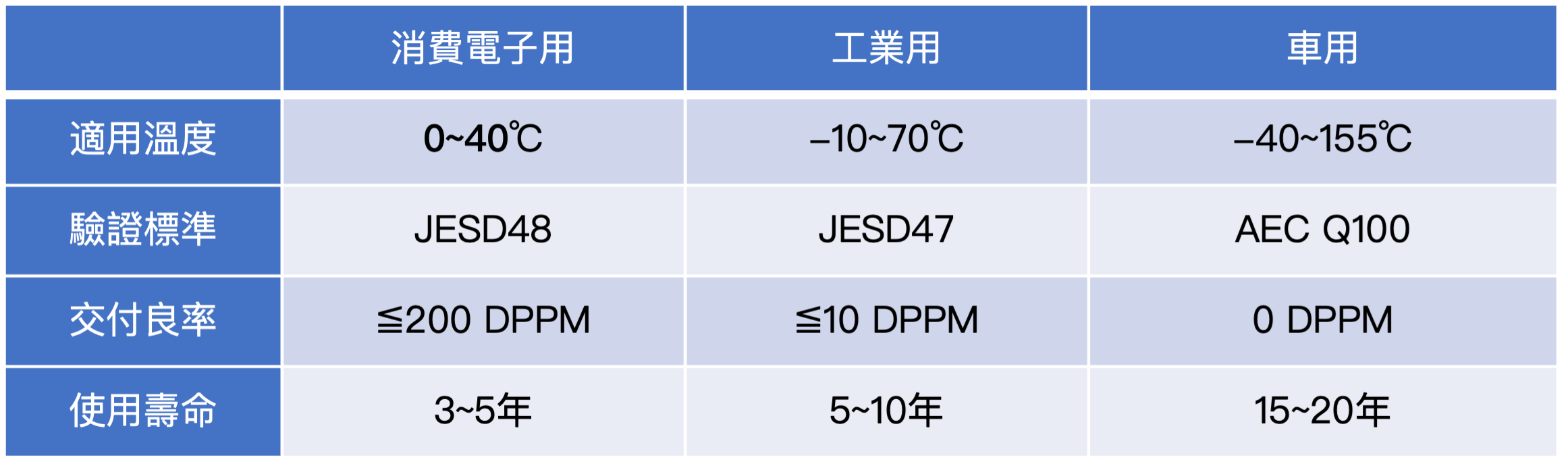
Automotive MCUs are installed in electronic control units (ECUs) and are available in 8-, 16-, and 32-bit products depending on the functional requirements. 8-bit MCUs are mostly used in sub-systems with simple functions such as fans, air conditioning, wipers, sunroofs, windows, instrument panels, hub boxes, seats, and doors, etc., and they are mainly made on 0.18- and 0.15-μm processes, with an average price of a little less than $1. 16-bit MCUs are mostly used in more complex systems such as engines, clutches, turbine systems, suspension, brakes, and pumps, etc., and are also mainly made on 0.18- and 0.15-μm processes, with an average price of a little less than $1. 16-bit MCUs are mostly used in more complex systems such as engines, clutches, turbine systems, suspension, brakes, pumps, etc., and mainly use 0.18 and 0.15μm process, with an average price slightly higher than US$1. 32-bit MCUs are mostly used in information-intensive systems such as driver information displays, stability control, multimedia, engine control, and automated driving, and mainly use the process of less than 90nm, with an average price of about US$3. At present, most of the 32-bit MCUs are developed using the ARM architecture, and can be domain-controlled to replace some of the 8-bit and 16-bit MCUs. according to a report released by market research firm IC Insights, the global automotive MCU market size of $7.6 billion in 2021, with an annual growth of 23%. of which the sales of the 8-, 16-, and 32-bit products were 5. 13, and 5.8 billion USD each, 1.3 and 5.8 billion U.S. dollars. Its largest application market is information and entertainment systems, with sales of about $800 million in 2021, an annual increase of 59%. Due to the operating environment has a large amount of vibration, dust, electromagnetic interference, temperature changes, etc., so compared with consumer electronics and industrial products, automotive MCUs have higher requirements for tolerance, reliability and life, as listed in Table 1. The product lifecycle of automotive design is usually 15 years or 200,000 kilometers, and automotive MCUs are required to have high reliability with zero failure and a service life of 15~20 years. In addition, automotive MCUs must be recertified due to process fine-tuning, which is not required for consumer electronics and industrial products.
Table 1: Specifications of MCU products for different applications
Source : IEK, Industrial Technology Research Institute
車用MCU廠商在進入車廠的供應鏈前需符合三大車用標準和規範,在設計階段須遵循功能安全標準ISO26262,在晶片試作和封裝階段須遵循AEC Q001~004及IATF16949,在認證測試階段須遵循AEC-Q100/Q104。其中AEC Q100從低到高分為3、2、1、0之四個可靠度等級;ISO26262定義的ASIL從低到高分為A、B、C、D之四個安全等級。AEC Q100認證一般需要1-2年,ISO26262認證難度更高且週期更長,所以車用MCU從試作到量產出貨可能需要3~5年時間。汽車誕生之初只是純機械產品,1927年Bosch開發的鉛蓄電池讓汽車有了可靠的電力來源,才能逐漸導入電動車窗、座椅、儀錶、空調等電子設備。大型積體電路技術突飛猛進使得汽車電子快速發展,自此引擎點火控制系統、燃油噴射系統、自動變速箱控制系統、主動懸吊系統、行車穩定控制系統逐步納入汽車的標準配備,為消費者提供更高性能、更舒適、更安全的交通工具。目前一般汽車採用分散式的電子電氣架構(EEA),使用的電子控制單元通常只負責單一功能,彼此獨立並以控制器域網路(CAN)或局部互聯網路(LIN)相互連接,透過廠商預先定義好的通信協定交換資訊。這些電子控制單元通常來自多家供應商,使用不同的嵌入式軟體和程式碼,導致整車系統的相容和擴展性很差,車廠要進行任何功能變更都需要和許多供應商協調軟硬體開發問題,導入新功能都要增加電子控制單元和通信系統,於是系統開發時程長、流程繁瑣,亦無法透過OTA更新軟體。