車用MCU專題|全球MCU市場發展趨勢剖析(上)
MCUDevelopment and Market Scale
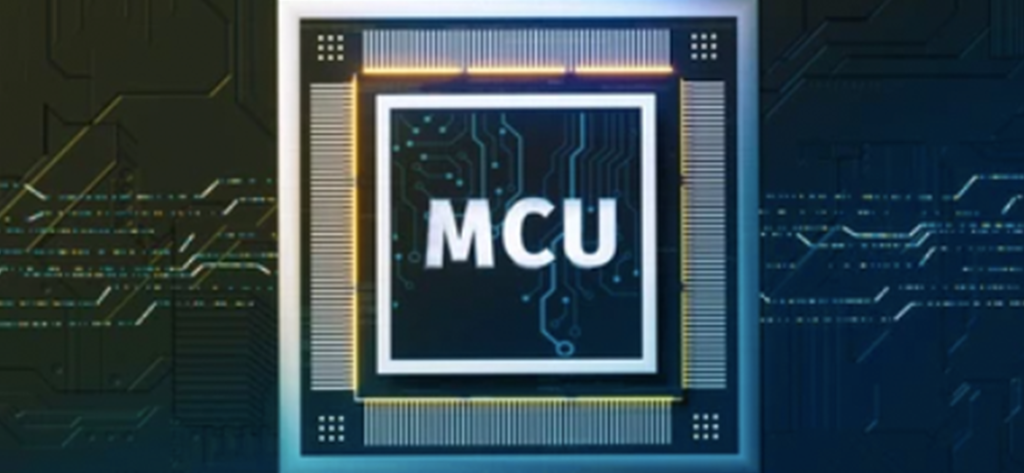
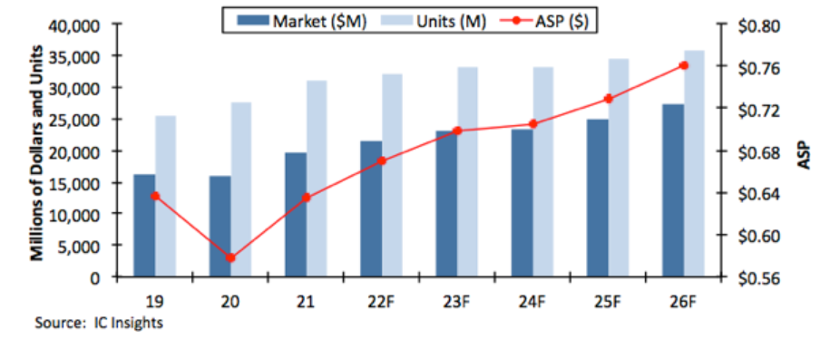
MCU (Microcontroller Unit) can be called "microcontroller" or "single-chip microcomputer", is the central processing unit (CPU), memory, input/output interfaces (I/O) and other different functional components integrated into a single chip. In the early days, MCUs consisted only of a CPU and memory. Over the past few decades, Intel, Motorola, Microchip, Atmel, and other chipset vendors have continued to develop new technologies to make MCU architectures more complex, and their component frameworks include a central processing unit (CPU), read-only memory (ROM), static random access memory (SRAM), power control (power control), and a memory controller (power control). CPU, ROM, SRAM, Power Control, Timer/PWM, Analog Interface, Clock Control, Connectivity, and GPIO. The read-only memory can use mask ROM and OTPROM, or UV-erase EPROM, electronic erase EEPROM, and Flash ROM, which can be read and written repeatedly. The system programmer on the application side writes the firmware using the Integrated Development Environment (IDE) tool provided by the MCU manufacturer. After development and validation, the firmware is stored in read-only memory through a programmer, and the MCU is then soldered to the motherboard at the electronics assembly plant to control the product's operation. According to market research firm IC Insights, the global MCU market will reach US$19.6 billion in 2021, an annual increase of 23%, and is expected to grow by another 10% to US$21.5 billion in 2022 due to a 10% increase in average selling price as a result of the lack of supply and demand, and the global market is expected to grow by a further 10% to US$21.5 billion from 2021 to 2026. From 2021 to 2026, the global market size and shipment volume will grow at a CAGR of 6.7% and 3.0%, respectively, while the selling price will be 3.5%.
Figure 1: Global MCU Market Size and Average Unit Price Change from 2019 to 2026
Source : IC Insights
MCU種類與終端產品應用
目前MCU擁有多種分類方式,依照工作用途分為通用型與專用型MCU,前者是將可開發的資源全部提供給使用者,後者是硬體及指令按照特定用途而設計;依據處理器結構分為馮紐曼結構(Von Neumann Architecture)和哈佛結構(Harvard Architecture),前者中央處理器和儲存裝置分開,且程式和資料儲存在相同的唯讀記憶體中,指令和資料不能同時存取。而後者的程式和資料則分開存放在不同的唯讀記憶體中,且各自有匯流排進行儲存,可同時運行而處理速度較快;依照指令集家族分為複雜指令集(CISC)和精簡指令集(RISC),前者主要代表有Intel 8051、Atmel AVR、Microchip PIC、Motorola 6800,後者常見則有Arm Cortex-M、RISC-V,因為具有指令工作週期短及省電優勢,因此精簡指令集MCU已逐漸取代複雜指令集產品。因為低功耗效果超越其他處理器架構,使得ARM架構已成為市場主流並形成完整的生態系統,可為設計平台提供良好的代碼和軟體相容性,並適用於各類移動產品,目前許多MCU大廠都取得Cortex-M的IP授權而推出ARM系列產品,依照市場需求區隔成M0~M4與M7,Cortex-M0主打初階的8/16位元應用,Cortex-M3主打中階的16/32位元應用,Cortex-M4主打高階的32位元與數位信號控制應用,Cortex-M7主攻最高階的自動化生產與物聯網應用。較晚推出的RISC-V具有模組化、精簡和不需授權費等優點,且預留客製指令擴充空間,可依需求做出相對應設計,在物聯網、AI等高度客製化應用擁有較大發展潛力;根據指令寬度分為4、8、16、32位元等四類。部份廠商採用混合指令寬度,如Arm Cortex-M使用Thumb-1(16位元)和Thumb-2(32位元)。
MCU用途廣泛,在我們生活周遭無所不在,涵蓋資通訊、家電、汽車、工業、醫療、國防等領域,最大應用為汽車和工業。市場研究機構Yole Développement發布報告指出,2021年全球MCU市場占比前兩大應用依序是34%的汽車、24%的工業,合計比重超過50%。預估2026年兩者的市場占比將各增加至39%、26%,合計比重提高至65%。重要的MCU應用說明如下 :
- 汽車:目前一般車型的功能運作受電子控制單元(ECU)操控,每件通常只負責一種功能且配備一顆MCU,若安全性或複雜運作功能則使用兩顆以上MCU。隨著智慧化與電動化發展,促使車輛功能持續增加而需裝配更多MCU,目前一般燃油車裝配約70顆MCU,而電動車提高至約100顆MCU。正因為每輛車配置的MCU數量很多且持續增加,使其成為市場占比最大的應用。
- 工業:MCU主要用於自動化、儀表、變流器、變頻器,每項裝置約配備1~2顆MCU。自動化已成為製造業發展目標,於是生產設備需要更多MCU以用於網路通訊、邊緣運算、即時反應和馬達控制等功能。傳統機械儀表正逐步被電子儀表取代,它倚靠MCU執行數據蒐集、處理、顯示、儲存、輸出等功能,其中水表與瓦斯表須採用低功耗MCU。變流與變頻器主要使用在工廠的電力控制設備,常以MCU為控制晶片,還用於發電機、家電、電動工具等領域。
- 3C產品:MCU主要用於電腦鍵盤、滑鼠、智慧手機和平板電腦,需求成長較快則是智慧手環、智慧手表、真無線藍牙耳機等穿戴式裝置,它們須採用低功耗MCU。通常每件商品約配備1~2顆MCU。
- 家電:MCU主要用於空調、冰箱和洗衣機等大家電,需求成長較快則是電子鍋、空氣清淨機、除濕機等小家電。智慧化與變頻功能持續帶動家電用MCU需求量,目前智慧聯網家電已採用32位元MCU,用於網路連接、溫溼度調節、按鍵操控、資訊顯示等功能。通常每件商品約配備1~2顆MCU。