March_ New Drugs|New Market Focus: CAR-T Cell Drugs
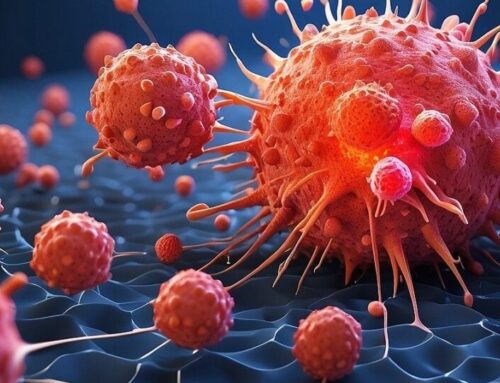
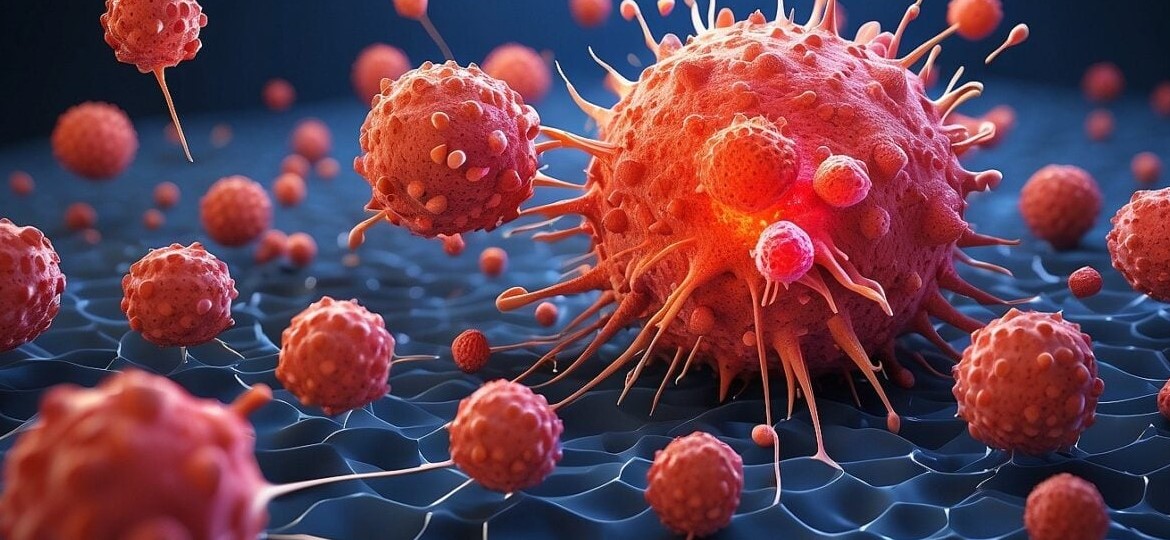
CAR-T cell new drug (Chimeric antigen receptor T cell, chimeric antigen receptor T cell) has been approved by the U.S. FDA for the treatment of blood cancer, lymphoma, and multiple myeloma, etc., especially for patients who have already tried many kinds of treatments (chemotherapy and stem cell transplantation) and failed to achieve the effect of patients can be completely cured by CAR-T 療法, which has aroused great concern! Separate T-cells (a kind of human autoimmune cells with offensive power) from the patient's blood, and embed special gene fragments through genetic engineering, so that the T-cells will have the ability to identify tumors, i.e., installing a CAR detection navigation system on the T-cells (just like armed soldiers) that can track cancer cells (such as a navigation helmet for detecting the enemy), and then massively expanding the CAR-T immune army that can eliminate cancer cells, so that the cancer cure rate can reach approximately 1,000 percent with precise elimination. The success rate of cancer treatment is more than 50%, but there is still a possibility of recurrence or side effects such as cytokine storm, neurotoxicity and abnormal activation of white blood cells. Compared with other cancer treatment technologies, CAR-T cell drugs use living cells as a weapon to attack blood cancers, and clinical studies have proved that the cells of some patients can still survive in their bodies after more than 10 years of administering CAR-T cell drugs, therefore CAR-T cell drugs are regarded as the most effective cancer treatment technology. Therefore, CAR-T cell drugs are considered to be able to achieve long-term cancer control and cure.
CAR-TNew cellular drugs with high growth rates23.3%Market Size7Year after year growth5.8times (multiplier)
According to the Research and Market Report, the global CAR-T cell drug market will reach US$2.78 billion in 2023, and is expected to grow 5.8 times to US$15.97 billion in 2030, with an annual compound growth rate of 23.32%. According to the Research and Market Report, the global CAR-T cell drug market will reach US$2.78 billion in 2023, and is expected to grow 5.8 times to US$15.97 billion in 2030, with a compound annual growth rate of 23.32%. Opportunities for growth will come from the increasing prevalence of multiple myeloma and lymphoma, the development of subsidies for cancer patients by governments and programs around the world, as well as the treatment of lupus erythematosus or solid tumors. Currently, there are about 10 new CAR-T cell drugs approved and marketed globally, six of which are approved by the U.S. FDA for the treatment of blood cancers, lymphomas, and multiple myeloma (which is relatively rare). Leading companies include Gliead, BMS, Novartis and Janssen, etc. International pharmaceutical companies rush into the market and are optimistic about new CAR-T cell drugs for three main reasons: 1. CAR-T cell drugs are proven to be able to completely eliminate cancer cells and achieve complete cure, and the wider application of the technology is the main reason for attracting investment from major pharmaceutical companies. 2. Theoretically, as long as the top-end surface antibody molecule (cancer cell detection navigation helmet) used to track and identify cancer cells is replaced, i.e., the surface antibody molecule is infrequent (with little expression) or not found in normal cells, it is capable of attacking various types of cancers. 2. Key leading manufacturer Gliead's CAR-T cell drug Yescarta is the most effective in eliminating cancerous cells, and it is the most effective in eliminating cancerous cells.®(axicabtagene ciloleucel) has treated 17,700 patients in clinical trials and commercial settings, and benefited from strong demand for second- and third-line treatments for relapsed or refractory B-cell lymphomas outside the U.S., the drug grew by 23% year-on-year in the third quarter of 2023, reaching $391 million, and generating full-year sales of over $1 billion. There is still room for improvement in the current drug technology, such as the high cost and complexity of the manufacturing process, which cannot be popularized, if the manufacturing process can be improved and the cost reduced, and the inability to mass-produce the extremely specialized and personalized treatment, if the technology can be improved and made into a generic version. In view of this, the recent international pharmaceutical companies in addition to Novartis (Novartis) to increase investment and the legendary biological to reach 1.01 billion U.S. dollars in-depth cooperation to strengthen the technological upgrading, but also (2024/01/04) AbbVie (AbbVie) and Umoja reached 1.44 billion U.S. dollars to develop a new type of CAR-T strategic cooperation, (2023/12/26) AstraZeneca (AstraZeneca) to develop a new type of CAR-T strategic cooperation, (2023/12/26) AstraZeneca (AstraZeneca), a new type of CAR-T strategic cooperation, (2023/12/26) AstraZeneca (AstraZeneca), an international pharmaceutical company. (2023/12/26) AstraZeneca's US$1 billion acquisition of Gracell's CAR-T technology and drug candidates, etc., all of which show that the international pharmaceutical companies have invested US$1 billion to rush into the development of new CAR-T cell drugs.
Taiwan manufacturers to seize business opportunitiesCAR-TNew Cellular Drugs Leave No Stone Unturned, Strive for Breakthroughs Before They Happen
CAR-T療法從過去學術臨床研究開發,走到今天的商業化階段,約莫10多年時間,該領域仍有許多值得去探索的機遇,如NK細胞、γδ-T細胞、自體細胞和異體細胞等不同免疫細胞的療效。核准上市CAR-T細胞新藥過去以來,受限於價格高醫療報銷不易、患者群體小和生產規格難度高等阻礙其發展,隨著更清晰的發展策略,未來挑戰在治療領域方面將從現行主流血液瘤如血癌、淋巴癌和多發性骨髓瘤領域面向紅斑性狼瘡或實體腫瘤等領域; 在製造技術應用方面朝向如何從個人專用客制化治療向通用大眾化治療,以及成本如何降低等方面持續改進。臺灣發展CAR-T起步雖較晚,但持續深耕基因工程改造和細胞增生等關鍵製程,隨著掌握現行CAR-T療法發展瓶頸痛點,長聖生技切入難度最高異體CAR-T和實體腫瘤臨床研究,或樂迦再生勇於技術創新導入AI先進製程加速製造成本控管和降低生產成本。細胞基因療法為一新興醫藥產業,具極大市場潛力!台灣持續往CAR-T細胞新藥開發推進,力求突破後發先至,未來仍有機會搶進全球百億美元細胞新藥商機。
-For more information, please contact us at
 February_ Intelligent Wearable|Blood Glucose Testing Business Opportunity Re-emerges, Continuous Blood Glucose Monitor Becomes New Battlefield
 April_New Drugs|Fatty Liver New Drug Launches New Blue Ocean Business Opportunity for Fatty Liver