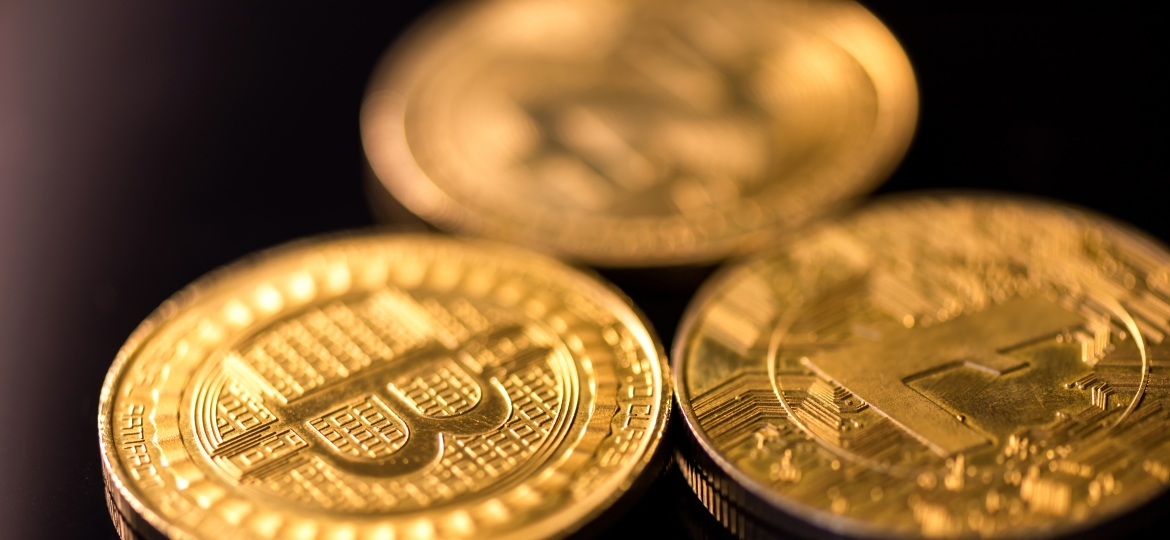
虛擬貨幣專題|避險神話的破滅與重塑:從美伊戰火看比特幣的革命
Ji-Pu Industrial Trend Research Institute:Yu Shi Bo
Follow Ji-Pu from Bitcoin and gold trends to observe the future evolution of hedging instruments in the international situation of the changing ends. 2026, the end of February, the United States and Israel launched a joint air attack on Iran, code-named "Epic Fury" (Epic Fury), Iran's supreme leader Hamini was killed, and the Middle East completely ignited the fire of war. Subsequently, the Hormuz Strait, which controls the global 20% oil transportation, was blocked, and the price of Brent crude oil once soared past $126 per barrel. The International Energy Agency (IEA) has called this "the biggest global energy and food security challenge in history".
In traditional investment thinking, war and oil crises are supposed to be a time for gold to "rejoice". However, this year's market has given investors a rude awakening. Whether the underlying logic of gold investing has changed, or whether there are new outlets for asset allocation tools, we'll start by exploring the myth of gold as a safe-haven.
The Unexpected Gold Plunge
At the end of January, gold just hit a record price of US$5,595 per ounce. With the outbreak of the war, the price of gold, which is regarded as the best hedging tool, not only did not soar; on the contrary, it plunged 14.5% to US$4,785, setting the record for the longest consecutive decline in a hundred years.
Why do hedging tools fail? Wall Street calls it the "Oil-Shock Paradox". Because the war caused oil prices to soar, triggered the global fear of stagnant inflation; and in order to suppress inflation, the Federal Reserve Board in the poor employment data under the bad news, the pressure refused to release the message of interest rate cuts. Creating the market's expectation of high interest rates, which in turn led to the attraction of gold, which has recently been at a high level and is stored without generating interest, is no longer attractive. As a result, when institutions and investors are faced with the prospect of margin calls from the stock market downturn, gold, which has excellent liquidity, naturally becomes the first choice to be sold for cash.
Bitcoin ETFs Withstand Pressure to Create 'Golden Crossover'
反觀從去年底便像是坐溜滑梯下跌的比特幣,在戰爭開打後,和金價出現全然相反的態勢。根據摩根大通數據顯示,戰爭爆發以來,最大的黃金ETF(GLD)遭遇了整體資產2.7%的流出;相反地,比特幣ETF(IBIT)卻逆勢得到1.5%的資金流入。而貝萊德與富達等巨頭,更在回調期間大舉抄底比特幣(其中IBIT淨流入約1.91億美元)。這股聰明錢的轉移,推動了比特幣對黃金比率(BTC-to-Gold Ratio)從低點大幅反彈約30%。足見加密貨幣的角色正發生轉變,從散戶的投機商品,逐漸轉為機構用來對沖風險的新金融工具。此外,由於比特幣對宏觀流動性極度敏感,因此當川普宣布暫緩對伊朗能源設施打擊5天後,比特幣迅速大漲5%重返71,000美元,顯示出它捕捉市場風險的強大爆發力。
Returning to the basics and getting back to the original purpose of risk aversion is the beginning of market growth
回顧虛擬貨幣的發展史,「去中心化」特性一直被視為對抗傳統地緣政治、金融風險、不當監管的重要工具。然而,隨著過去幾年比特幣迎來一波結構性的爆發上漲,市場認知發生質變,下至個人投資者,上至企業(如 MicroStrategy)甚至大型資本機構,都開始認真將比特幣列為資產負債表上的「數位資產儲備」(DTA, Digital Asset Treasury)。此舉,造就了比特幣屢創新高,並在2025年10月達到了126,000美元的歷史巔峰;伴隨著底高點而來的,便是一波深度的回調,價格下探至60,000美元左右。然而,正是這波大幅度的價格修正,為2026年初爆發的美伊戰爭提供了一個極佳的壓力測試與進場契機;也讓其回頭扮演起一開始被賦予的避險角色。展望未來,真正的價值重估,在於更龐大、更穩定的「大型資金」進駐。根據最新市場動態,規模龐大的美國401(k)退休基金,正在為比特幣投資打開監管大門,當這類國家級的基金、主權財富基金實質進駐後,比特幣等虛擬貨幣交易,將有機會徹底擺脫高風險投機標籤,邁向穩定且常態性上漲的軌道。
Extended Reading
 April_AI Optical Communication|Optical Circuit Switching OCS (Optical Circuit Switching) Opportunities and Physical Limits in Scale-across
 AI 光通訊專題|OFC 三大光互連協議 MSA 同日問世:格局重塑分析