Smart Glasses Industry Daily
A total of 38 industry-related news items - 3 in-depth analyses of selected items
Selected In-depth Analysis
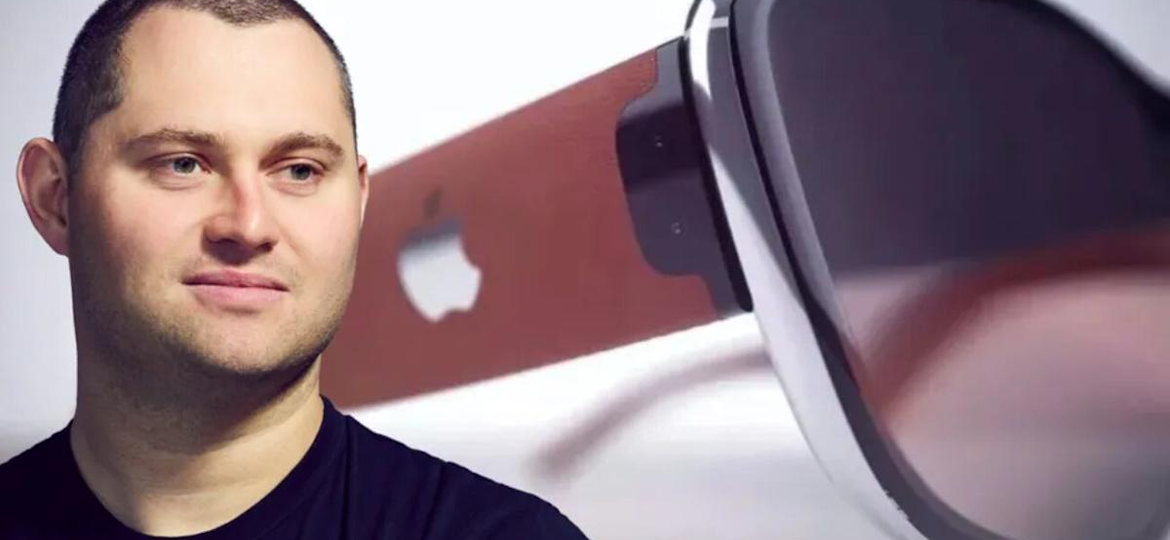
Apple could release smart glasses by the end of 2026 - and Meta has good reason to be worried
Key Events
Apple is rumored to launch a smart glasses product by the end of 2026, directly challenging Meta's leadership in the market. This could reshuffle the smart glasses landscape and create new business opportunities for Taiwan's optical and semiconductor supply chain.
Key Data
The global smart glasses market is expected to reach US$3.7 billion by 2026, with Meta Ray-Ban's sales of 300,000 pairs by 2023, and Apple's entry into the market is expected to boost the overall market to millions of pairs.
Market Importance
Apple's entry into smart glasses will completely change the competitive landscape of the industry and is expected to push the niche market into mainstream consumer applications. Apple's strong ecosystem integration capabilities and brand appeal are expected to significantly increase consumer acceptance of smart glasses, which in turn will lead to rapid expansion of the overall market scale. Taiwan's supply chain of optical lenses and display driver chips will directly benefit, especially in the high-end product specifications, which is expected to raise the technological threshold and profitability of the entire industry chain.
⚠ Negative View
Apple's smart glasses are still in the rumor stage, and Apple has historically delayed or canceled wearable device projects many times; even if they are launched, the initial price may be too high, making it difficult to popularize them quickly.
📍 Next observation.
- Did Apple's Spring Launch Reveal Anything About Smart Glasses?
- Guidelines for Lecture Notes for Supply Chain Vendors
- Apple Smart Glasses Prototype or Beta Revealed
- Meta Response Strategy and New Product Release Schedule
- The effect of Apple's eco-system on the popularization of smart glasses.
- Are Smart Glasses the Next Mainstream Consumer Electronics Category?
❓ Frequently Asked Questions
When will Apple Smart Glasses officially launch?
According to rumors, it is expected to be released by the end of 2026, but Apple has yet to officially confirm this, and the actual schedule may be adjusted due to technical or market factors.
How does this affect Taiwan's supply chain stock price?
Optical lens makers such as Dali Optical, Jade Crystal Optical, and display driver chip maker Xeiking Optoelectronics are expected to benefit from Apple's entry, pending more definitive news.
How will Apple's smart glasses compete with Meta?
Apple expects to differentiate itself with deeper iOS integration and high-end hardware specs, rather than focusing on fashion and social sharing like the Meta Ray-Ban.
EssilorLuxottica Revenue Jumps 11% as AI Lens Effect Continues to Expand

Key Events
EssilorLuxottica, the world's largest eyewear group, announced a significant revenue growth of 11%, with the Ray-Ban smart eyewear partnership with Meta contributing significantly. This achievement confirms a milestone in the transition of smart glasses from experimental products to commercial success.
Key Data
EssilorLuxottica Revenue Growth 11% Since its launch in 2023, Ray-Ban Meta smart eyewear has accumulated sales of more than one million pairs. The average price of smart glasses is approximately $300-$400, a 3-4x premium over traditional sunglasses.
Market Importance
EssilorLuxottica's impressive financial results validate the viability of the smart eyewear business model, signaling that the industry has moved from the technology demonstration stage to the profitability stage. The successful collaboration between traditional eyewear giants and technology companies has established a replicable business model for other brands and is expected to attract more fashion brands and technology companies to follow. This trend will be extremely beneficial to Taiwan's optical and electronic component supply chain, especially in the areas of high-end optical lenses and miniaturized electronic components, where demand will rapidly expand as more brands enter the market.
⚠ Negative View
The sales volume of smart glasses is still much lower than that of smart phones, and it is highly dependent on fashion brands; competitors lacking strong brands may find it difficult to replicate this successful model.
📍 Next observation.
- EssilorLuxottica Next Quarterly Earnings Smart Glasses Revenue Share
- Other Fashion Brands Announce Smart Eyewear Partnership
- Ray-Ban Meta New Generation Product Release and Upgrade Cycle
- Competing brands such as Oakley and Gucci enter the smart glasses market.
- The Time for Traditional Eyewear Brands to Become Fully Intelligent
- Can smart glasses create a context of use independent of the cell phone?
❓ Frequently Asked Questions
Is EssilorLuxottica's revenue growth mainly due to smart glasses?
Smart lenses are an important contributor, but the company's revenue growth also includes the recovery of its traditional eyewear business and the performance of its other product lines.
Why Ray-Ban Smart Eyewear is More Successful Than Other Brands
Combining Ray-Ban's fashion brand power, Meta's AI technology, and a relatively affordable pricing strategy, it has successfully hit the intersection of fashion and technology.
What does this mean for other smart glasses manufacturers?
The importance of partnering with well-known fashion brands has proven that purely technology-oriented smart glasses are less likely to be accepted by mainstream consumers.
XVision Announces Advanced High Contrast LCoS Microdisplay Technology for AR Glasses at Display Week 2026

Key Events
At Display Week 2026, Taiwan-based display driver IC maker Xeiking Optoelectronics (Xeiking) demonstrated its next-generation high-contrast LCoS microdisplay technology optimized for AR goggle applications. This technological breakthrough is expected to solve the critical bottleneck of poor display quality in AR glasses and strengthen Taiwan's technology leadership in the AR supply chain.
Key Data
The new technology realizes more than 10,000:1 contrast ratio, 4K resolution per eye, and 30% lower power consumption than its predecessor. The global AR glasses microdisplay market is estimated to reach US$1.5 billion in 2026, and Xeikyo's market share in the LCoS segment is approximately 25%.
Market Importance
The breakthrough in display technology by XVision Optronics will significantly enhance the visual experience of AR goggles and help to address consumers' major concerns about poor AR display effects. The combination of high-contrast and low-power technology is the core demand of Apple, Meta and other major companies in developing next-generation AR products, and Taiwan-based companies are expected to seize more design cases by virtue of their technological advantages. As mainstream brands pay more attention to AR glasses, suppliers with key display technologies will enjoy stronger bargaining power and longer-term partnerships, establishing an irreplaceable strategic position for Taiwan in the global AR supply chain.
⚠ Negative View
There is still a time lag between technology demonstration and mass production, and the demand for AR glasses market has not yet been clearly released, so the contribution to revenue may be limited in the short term.
📍 Next observation.
- Technology Commercialization Schedule for Next Quarter's Press Conference of Wonderland Optoelectronics
- Adoption of new technologies by major customers
- Yield and cost performance of new technology into mass production.
- Technical response from competitors such as Sony and Samsung
- Increased Penetration of LCoS Technology in the AR Glasses Market
- Competitive Threats from Next Generation Display Technologies such as MicroLEDs
❓ Frequently Asked Questions
What's so special about XVision's new display technology?
The combination of ultra-high contrast and low power consumption dramatically improves the display of AR glasses while extending battery life.
When can this technology be practically applied to products?
Typically, it takes 12-18 months from technology demonstration to mass production, and we expect to see applications in mainstream AR goggle products starting in 2027.
What will be the impact on QKP's stock price?
Technology leadership will help enhance long-term competitiveness, but short-term share price performance will depend on actual orders and mass production schedule.